

FITNESS CLASSES
OUR CLASSES
We offer many different classes to fit all fitness goals and fitness levels. Your first class is FREE, so what do you have to lose other than a few inches? Reserve Your Spot NOW
Book your First Free Class NowBook A Consultation
We Can Help You
Book a personal training or nutrition consultation with one of our experienced and knowledgeable personal trainers / Kinesiologists.
Read More About Our Services and Book a Free ConsultOur Memberships
Fit any budget
We have memberships and pricing to fit any budget, as we believe everyone should have the chance to to get in the best shape of their lives and feel amazing! Check Out Our Pricing
View PricingOnline Training
Not located by the Core Conditioning Studio?
Don't live near us? No Problem, we offer online training complete with workouts and nutrition coaching at an affordable price. Check out our online training app and ask about a free-trial.
Learn More About Online TrainingCovid -19 Safety Update
We are committed to providing our clients with a safe experience when training at our facility by abiding by the following measures as laid out by Fraser Health:
1. Daily client pre-screen verbally in person upon entry to the studio
2. Physical distancing: 6 feet spaced training stations with all required equipment are set up prior to any open gym session for clients to distance while working out.
3. Clients are Required to wash hands before and after each workout and all equipment is sanitized after every single use. Hand sanitizer is placed in many different areas around the studio for easy access.
4. Masks are mandatory when entering and leaving the gym and in the common area in the back of the studio near the bathrooms.
5. Appointment capacity capped at 6 clients / hour for open gym to allow for safe distancing
6. Warehouse door and entrance door will be open when at all possible to allow for air flow
8. 5 minute client turnover window
9. Open Gym and Personal Training Attendance by appointment only
10. Contactless coaching and payments
11. NO HIIT workouts will be performed during open gym as this is prohibited
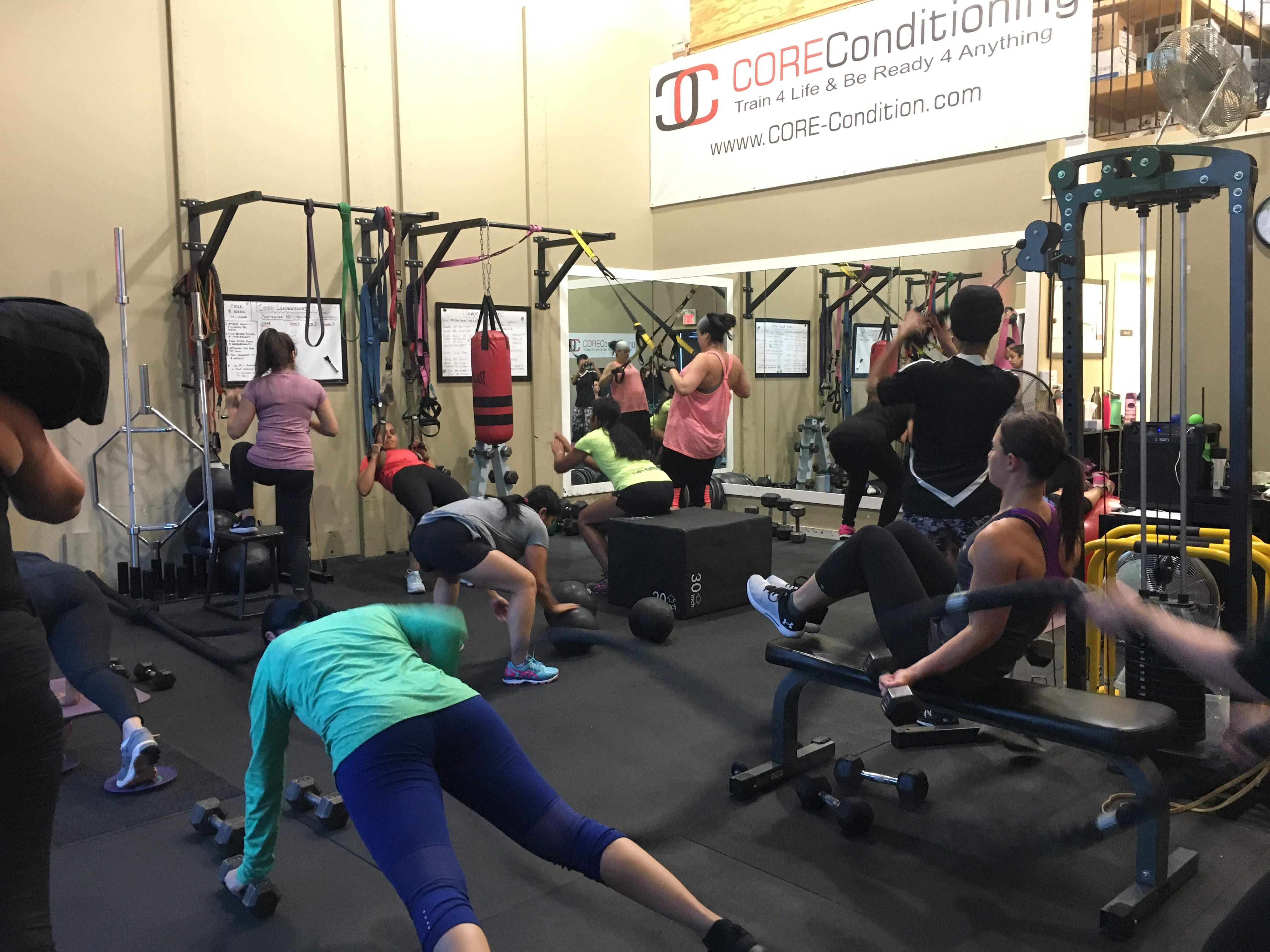
A SAFE PLACE TO TRAIN INDEPENDENTLY
Try Our Open Gym:
- Workout independently to individualized contactless programming
- Maximum 6 people in our studio at a time to allow for safe distancing
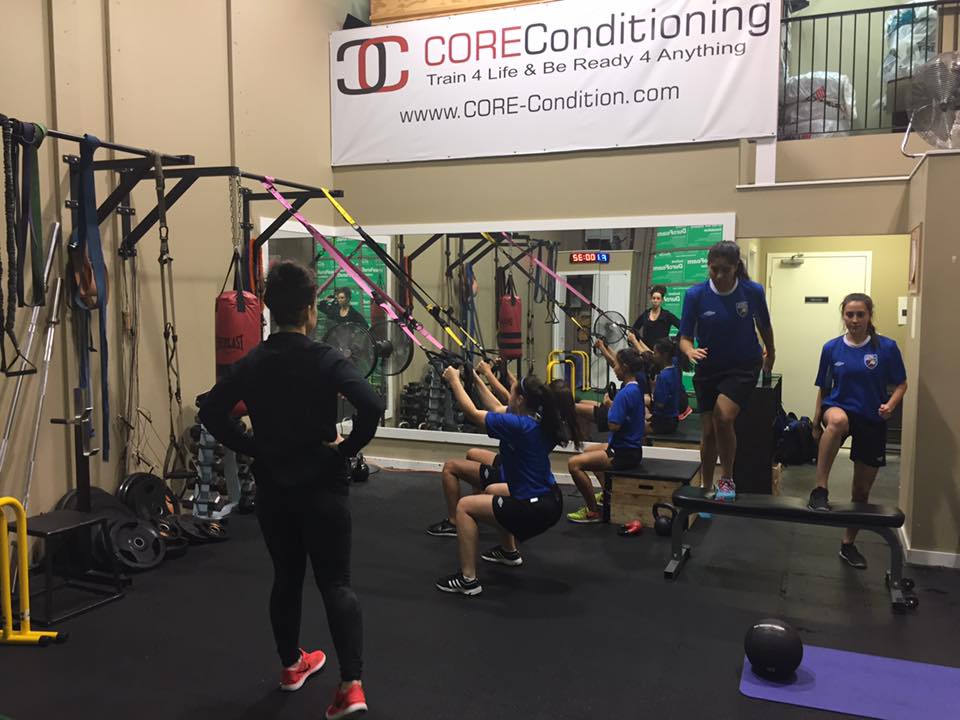
- Access to TRX, Barbells, Squat Rack, Dumbbells, Kettle bells, Functional Trainer, medicine balls and much more
- ALL OPEN GYM SESSIONS ARE BY APPOINTMENT ONLY
- Email us to come try it out Customerservice@core-condition.com
- Become part of a group of amazing individuals all working to be the best version of themselves!
ARE YOU READY TO BLAST SOME FAT?
Learn More About Our Group Classes Here
Free Downloadable E-Book
5 Secrets to Faster Fat Loss + Bonus 7 Day Meal Plan
Start Blasting Fat Now!
Our Services
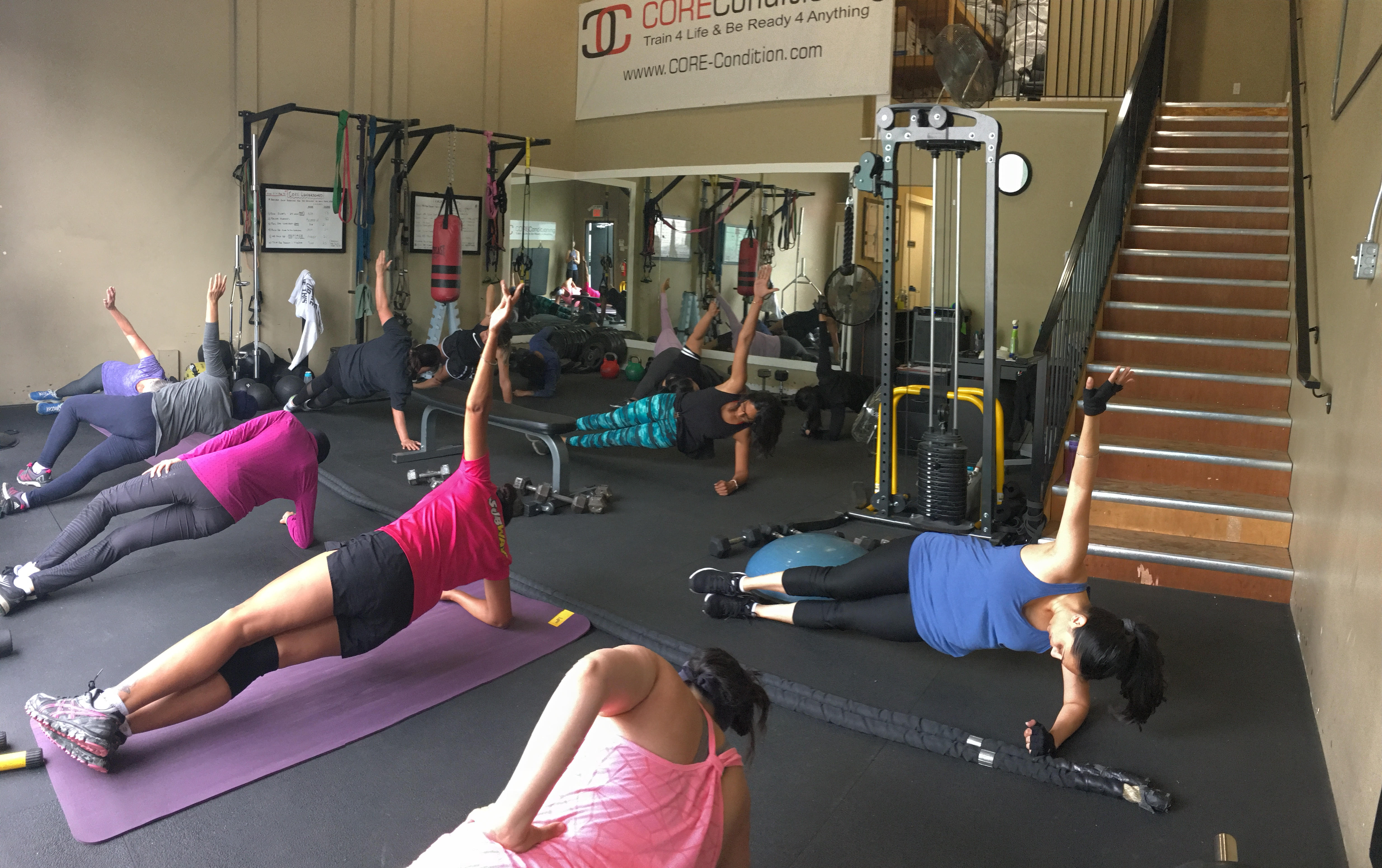
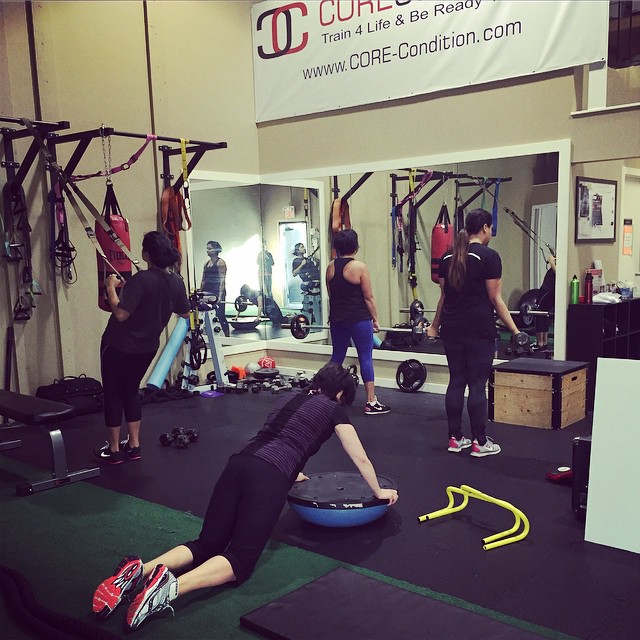
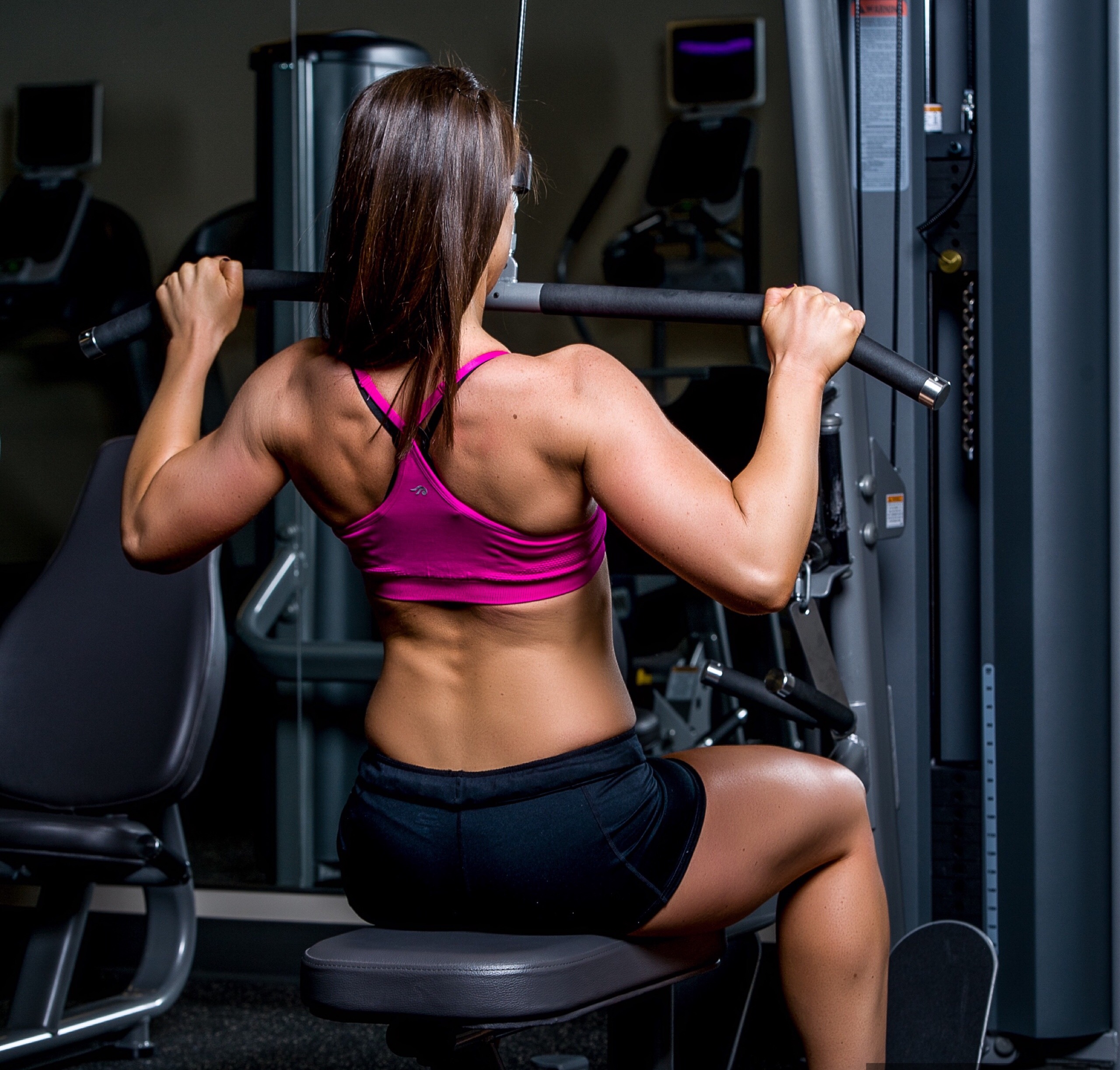
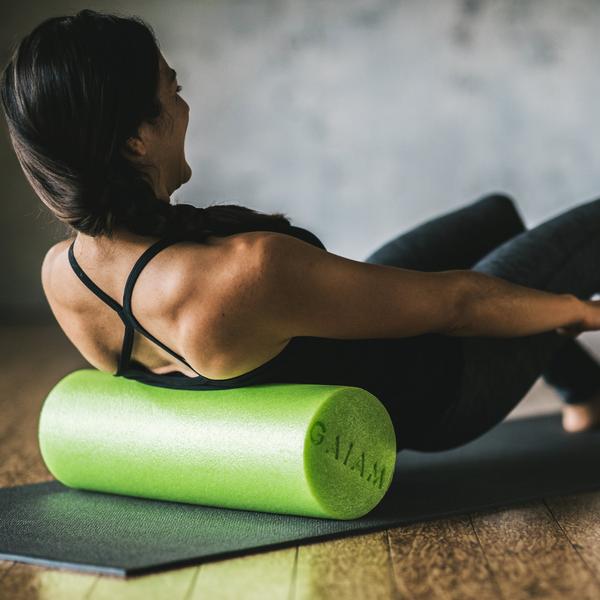
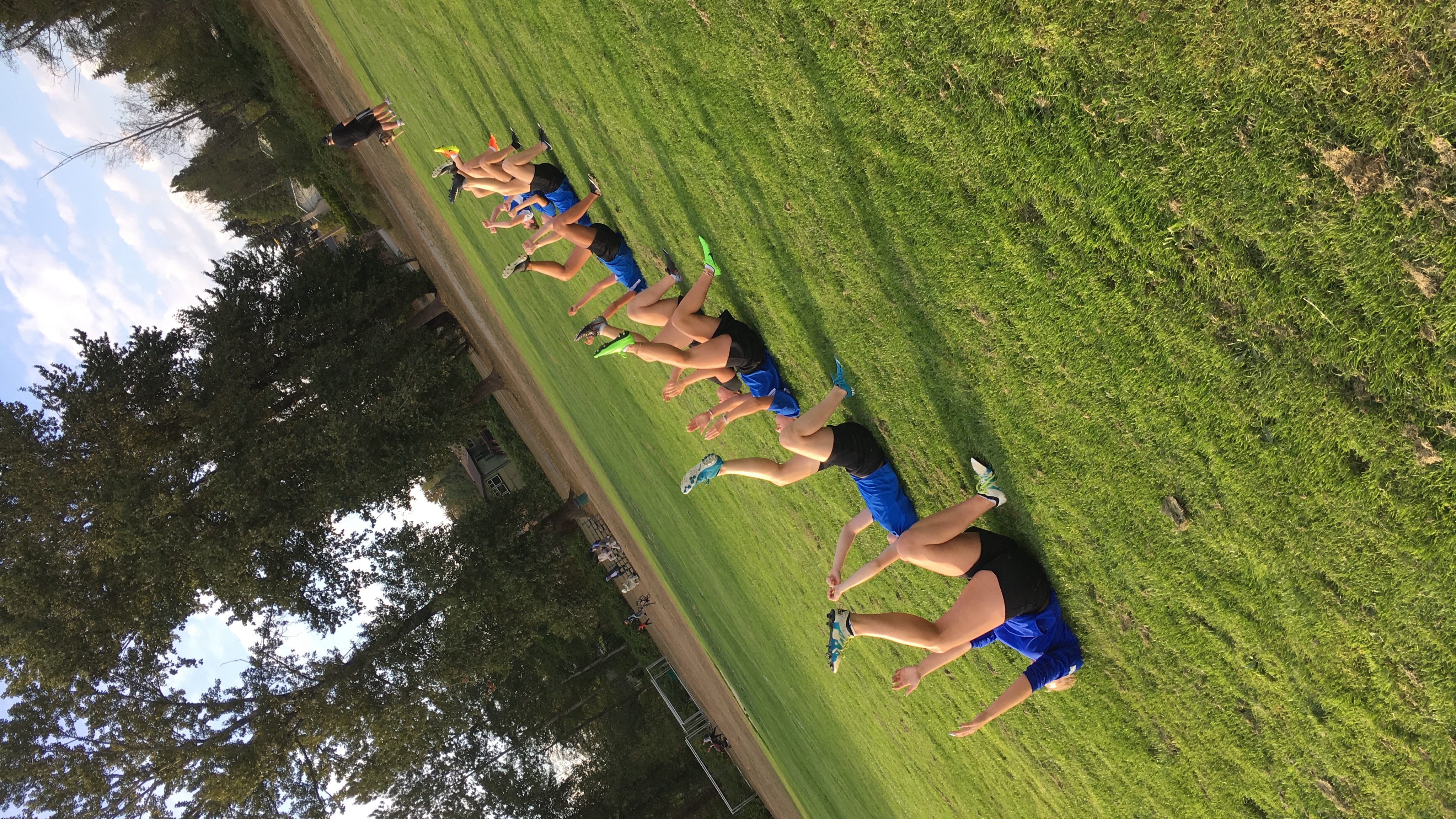
Whether you have a specific weight loss or fitness goal in mind, need to recover from an injury, or simply want to be part of our supportive fitness family. We offer something to fit both your lifestyle and budget. Scroll to the right to see all that we can offer you.

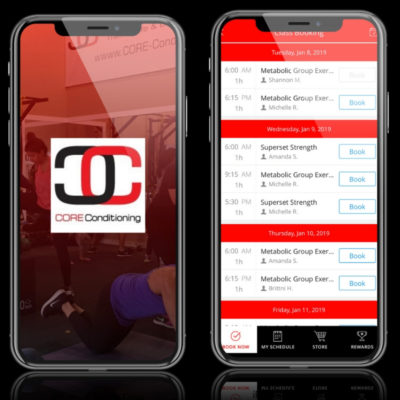
GET OUR APP!
- SEARCH WELLNESS LIVING ACHIEVE IN THE APP STORE TO LOG IN
- EASY BOOKING
- CLASSES REMINDERS
- TRAINING SCHEDULE
Our Staff
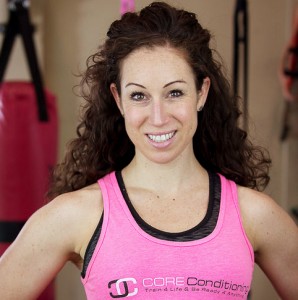
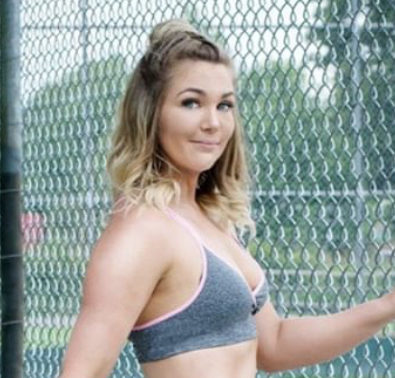
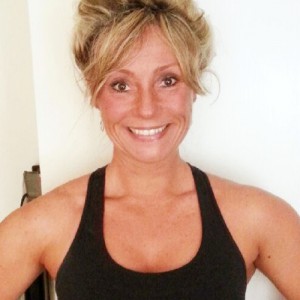
We have a solid team of experienced, knowledgeable, and upbeat personal trainers and Kinesiologist’s to help you become the best version of yourself.
Class Schedule
View our class schedule below a register for the classes you want to attend. Remember your first class is free, so what do you have to lose?

Blog
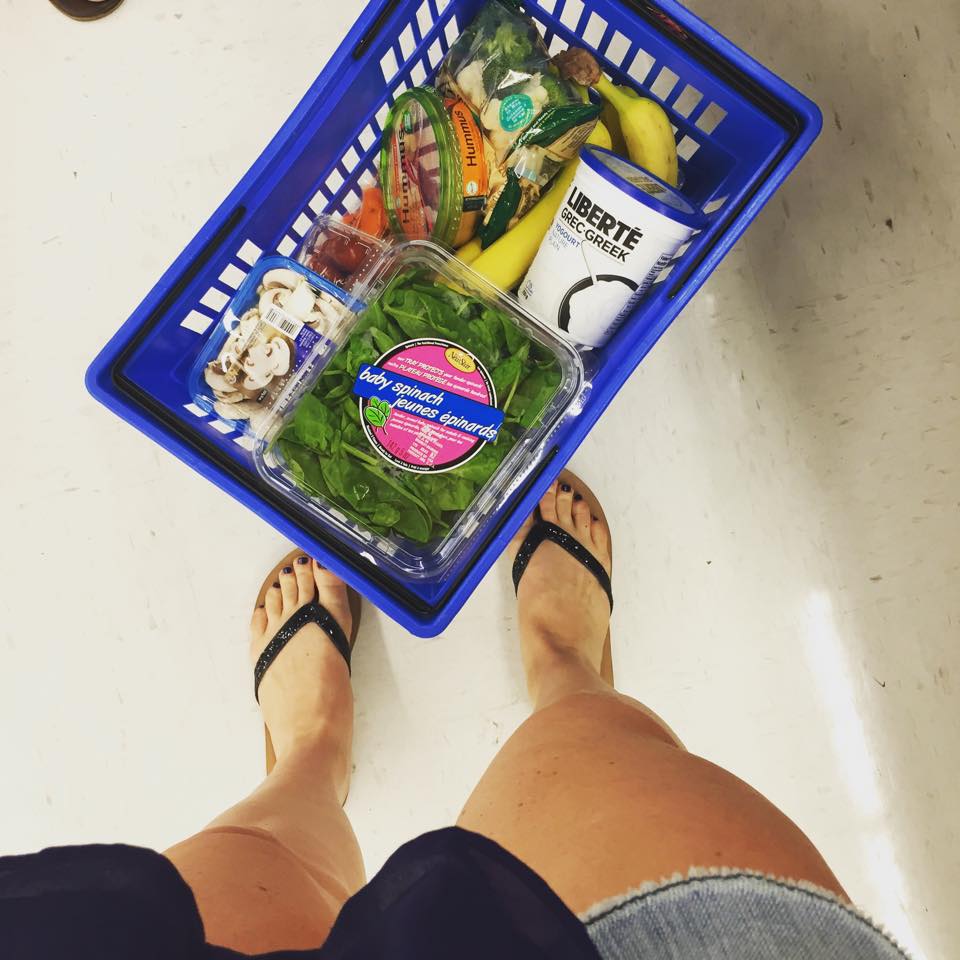
Check out our blog for regular updates, fitness tips, and healthy recipes
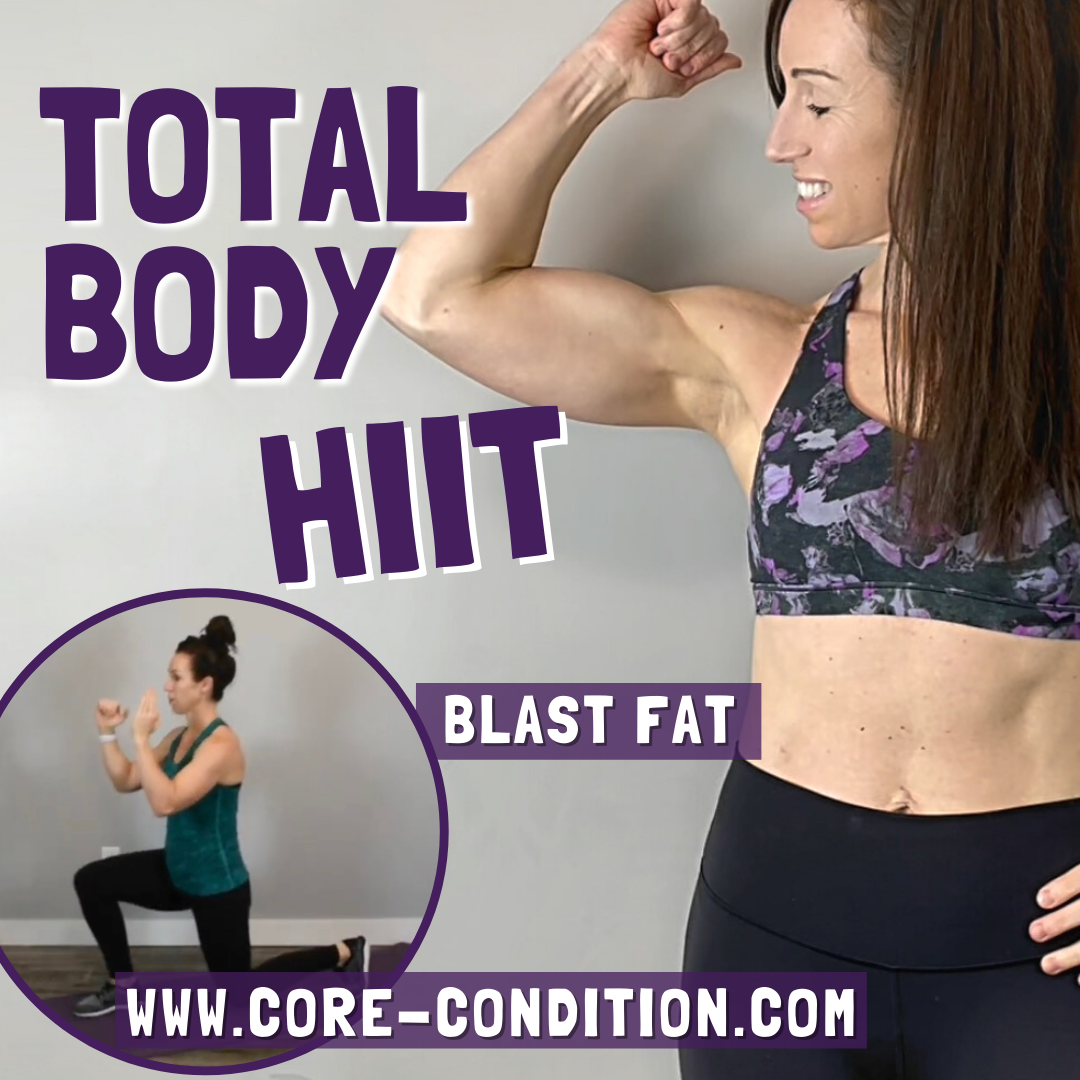
Full Body HIIT Workout / Bodyweight Fat Burn
- by Michelle
- January 28, 2021
24 Min Full Body HIIT Workout / Bodyweight Fat Burn This Full Body HIIT Workout is the perfect total body workout that combines HIIT cardio with full body strength exercises to give you a perfect fat burning HIIT workout. This workout uses no weights, no equipment, and is a bodyweight workout only, so it’s the […]
Read More >>
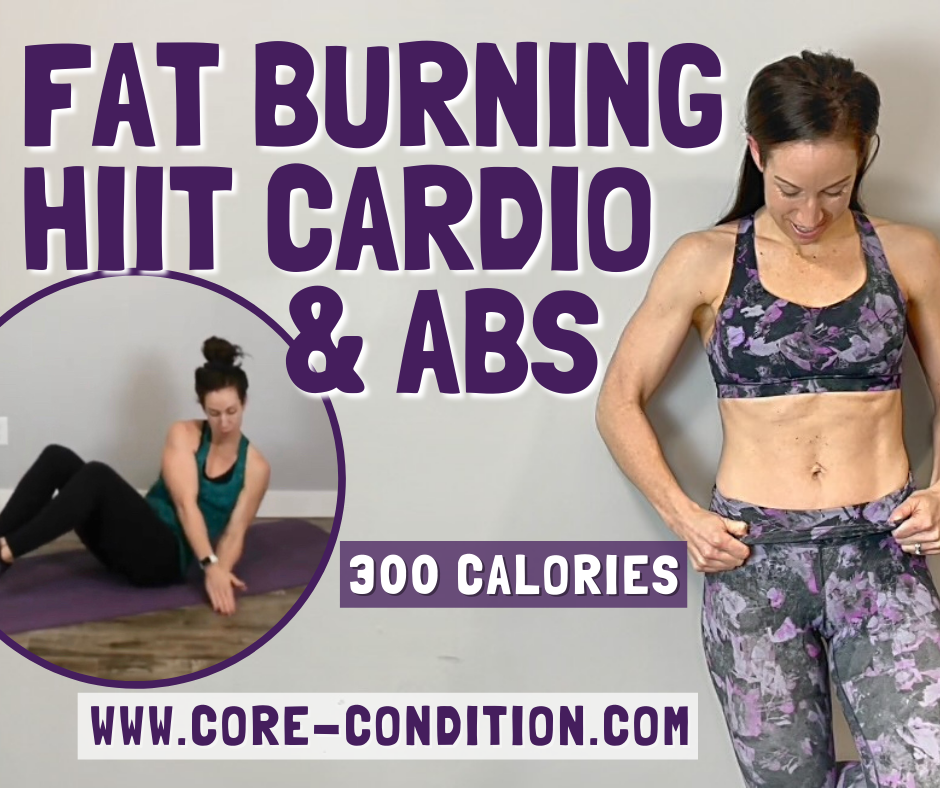
HIIT Bodyweight Circuit Cardio & Abs Workout
- by Michelle
- January 19, 2021
25 Minute HIIT Bodyweight Circuit Cardio + Abs Workout If you want a killer fat burning HIIT bodyweight circuit workout that also doubles as a flat belly workout, then you have to give this HIIT bodyweight circuit cardio workout a try! If you have 25 minutes to spare then this cardio and core workout is […]
Read More >>

Beginner HIIT Workout – Low Impact
- by Michelle
- January 12, 2021
Who doesn’t love a good HIIT Workout? This 20 Minute HIIT workout is perfect for beginners, but will also give a really fit person a run for their money! I do this workout a lot at home on days when life is too busy to get down to my studio and trust me, it get’s […]
Read More >>
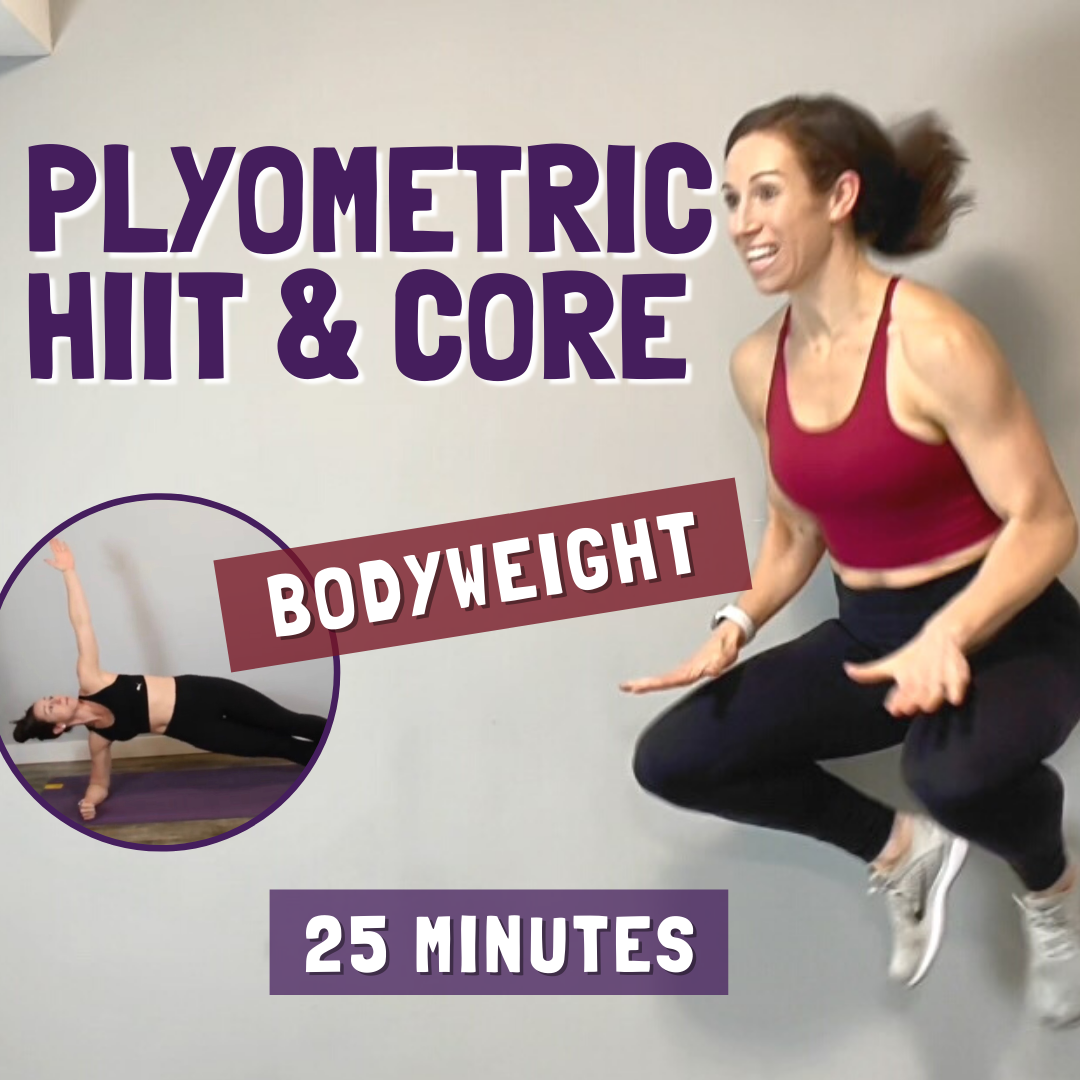
Plyometrics Leg Workout & Core / HIIT
- by Michelle
- January 5, 2021
Plyometrics Leg Workout & Core This 25 Minute plyometric cardio circuit with additional core workout is just what you need to build strong lean legs and a tight core. This Plyometrics leg workout with core circuit is a fat burning HIIT workout. It is an all bodyweight workout requiring no equipment. We use a lot […]
Read More >>
Lose Weight Now in 2021 With 3 Easy Tips
- by Michelle
- January 3, 2021
Are You Looking To Lose Weight Now In 2021? If you are someone who is waiting until 2021 or the new year to lose weight now, then I highly suggest you watch the video below all the way to the end! In this video I’m going to break down how to lose weight, how to […]
Read More >>
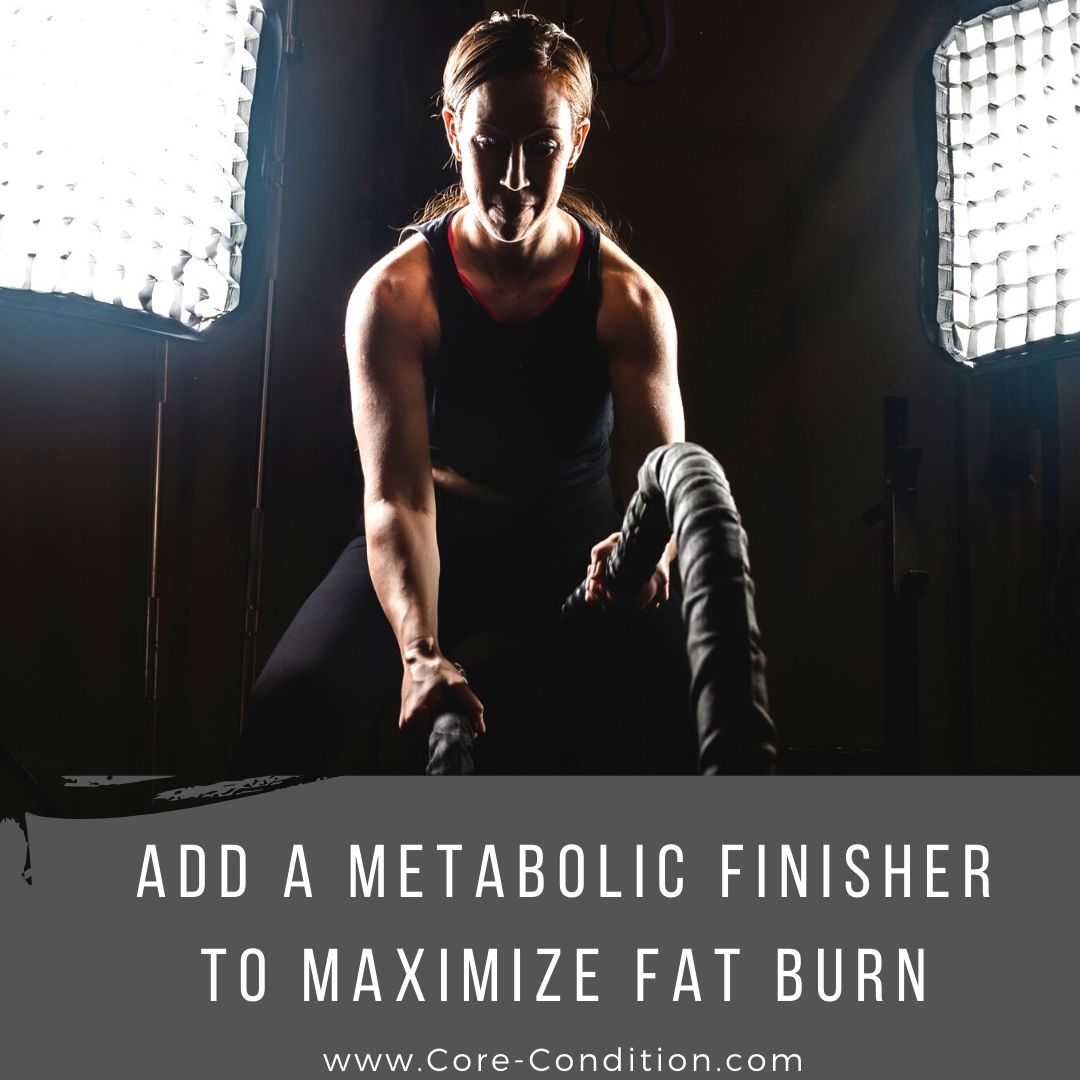
Add a Metabolic Finisher to Maximize Fat Burn
- by Michelle
- January 28, 2020
People are always asking me about the best ways to maximize time in the gym and how to get the best calorie burn in the least amount of time. There are many ways to get in a good workout with minimal time commitment, but I always stress that a shortened workout schedule […]
Read More >>
Interested In Personal Training or Small Group Training?
We have many packages available?
View Our Training Packages
Questions?
Shoot us a message below or Text us at 604-362-9571
Located In The Heart of Cloverdale in the BACK OF UNIT 606 – 17665 66a Ave, Surrey, BC
px;